
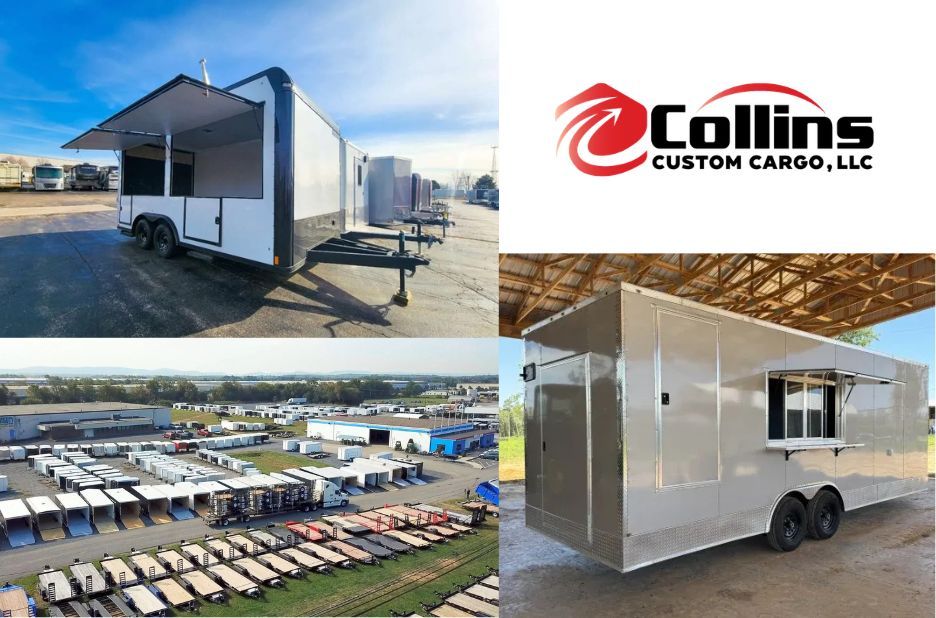
Why a compact enclosed trailer matters for real hauling
A well-matched enclosed trailer solves problems that open trailers can’t—weather exposure, cargo security concerns, and inefficient storage. When your load needs protection from dust, rain, and debris, enclosure becomes a practical safety feature, not just a convenience. A compact footprint also helps you maneuver 7 by 16 White Hook and Line Enclosed Trailer into tighter yards, job sites, and driveways without feeling cramped during loading and unloading. For professionals who routinely transport tools and sensitive materials, choosing the right size and layout directly affects how smoothly work gets done.
Expert recommendations for this category focus on match quality: the trailer should fit your towing vehicle, your typical route conditions, and your workflow. Look for a configuration that supports secure tie-down points, stable floor coverage, and an interior space that’s easy to organize. White-hook and line designs are often selected because they create a predictable method for controlling load movement during transit. When the interior is planned around how you actually haul—rather than how a generic trailer is designed—you reduce shifting, scuffing, and wasted time.
What to inspect before buying a 7×16 style enclosed trailer
Before purchase, evaluate the structural elements that affect long-term reliability. Pay close attention to the frame integrity, door alignment, and the overall rigidity of the enclosure, because those factors determine how well the trailer resists racking and wear. Inspect Fiber Optic Splicing Trailer for Sale the door hardware and sealing approach, since door gaps can lead to moisture intrusion and corrosion over time. Also check interior surface readiness; smooth, durable finishes help cleaning and discourage damage from abrasion.
Next, confirm the load-management features that support your cargo type. Securement systems should be positioned where they actually work with your most common loads, allowing you to strap down items without awkward angles. If you handle splicing equipment or cable reels, you’ll want a layout that supports careful handling and stable staging. In many cases, a is recommended because it aligns the hauling container with the workflow of delicate materials—keeping transport secure, organization straightforward, and setup efficient at the job site.
How expert buyers configure interior space for security and speed
Interior planning is where performance shows up day after day. Start by mapping the path from the door to your primary work zones, then arrange shelving, anchor points, and storage so items don’t require repeated rearranging. Strategic placement of hooks, tie-down rings, and line systems helps keep loads from sliding while also providing a consistent approach for operators. When you can secure cargo quickly and consistently, you reduce risk and improve turnaround time between stops.
For cargo that includes tools, electronics, and precision components, prioritize temperature and cleanliness barriers where possible. Use organization systems that prevent loose items from migrating, and add compartmental storage for small parts that can otherwise scatter during transit. If you transport splicing gear or related spools, consider how you will stage components for access without moving everything from the floor each time. A compact enclosed trailer works best when the interior is designed around repeatable tasks—loading, securing, arriving, and deploying—so your equipment is ready with minimal friction.
Conclusion
Choosing the right enclosed trailer is less about chasing a generic spec sheet and more about matching your hauling routine to the trailer’s structure and interior layout. Expert recommendations typically emphasize durability, dependable door performance, secure tie-down planning, and a workflow-friendly interior that reduces handling time. When these elements align, you gain a safer transport experience and a more organized storage setup that supports both personal and business use. Collins custom cargo builds solutions with secure transport and efficient storage in mind, including compact hauling options designed to perform reliably when you depend on your gear.
If you’re comparing options, focus on how the trailer will protect your cargo and how easily you can secure and access it. A thoughtful enclosed configuration can make a meaningful difference for sensitive materials and specialized equipment, especially when you need consistent staging. For buyers seeking a compact, durable hauling platform, considering the strengths highlighted by Collins custom cargo can help you make a confident, practical decision. In the end, the best trailer is the one that fits your real tasks—so your equipment arrives intact and ready to work.