
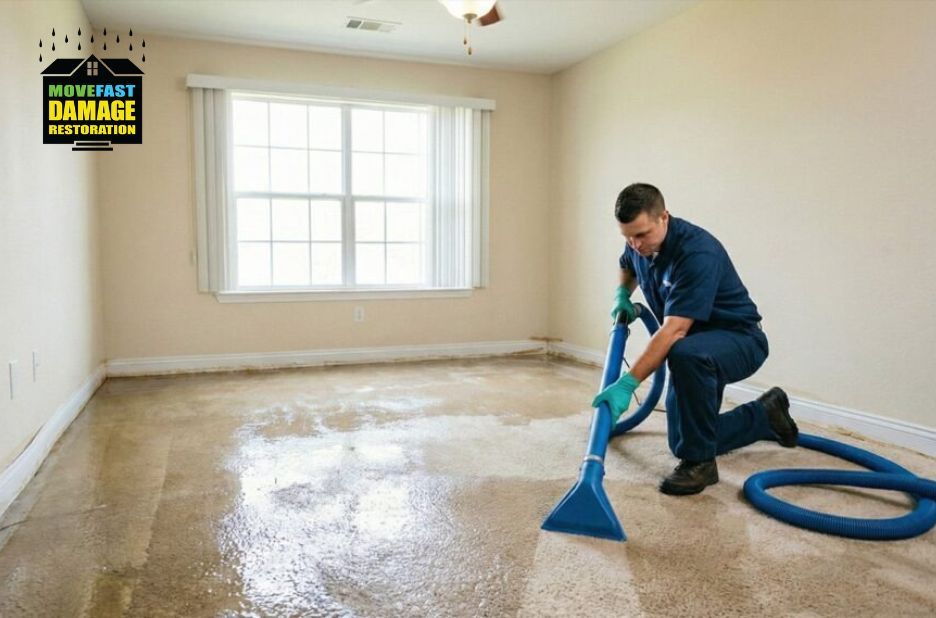
First-Response Checklist for Water Emergencies
When water invades a home or business, the fastest path to recovery starts with immediate actions that reduce damage at the source. First, ensure everyone is safe by checking for electrical hazards and avoiding contact with standing water near outlets or appliances. Next, shut off the water Water Damage Restoration Owings Mills MD supply if you can do so safely, and document visible damage with photos for insurance and restoration planning. Finally, identify the water type when possible—clean, gray, or contaminated—because the cleanup steps and protective measures should match the risk level.
Use a simple checklist to keep efforts organized while help is on the way. Remove valuable items from affected areas, but do not move wet materials in a way that spreads water to clean zones. Ventilate if conditions allow, and keep doors open between rooms to encourage uniform airflow once drying begins. If there is a leak behind walls or under flooring, mark the suspected source and avoid aggressive demolition until a professional assessment confirms where removal is necessary.
Drying & Extraction Steps to Prevent Mold and Secondary Damage
Effective drying requires more than removing visible water; it depends on controlled extraction, measurement, and airflow that reaches hidden moisture. After initial cleanup, restoration teams should extract standing water using pumps and wet vacuums, then begin drying with commercial-grade equipment designed for structural materials. Commercial Water Restoration Baltimore MD Place dehumidifiers to reduce humidity and use air movers to accelerate evaporation across floors, drywall, and framing. Throughout the process, moisture readings guide adjustments so drying doesn’t stop at the surface while moisture remains inside porous materials.
Track your progress with a restoration-oriented checklist that aligns with industry best practices. Confirm that the affected materials are measured with moisture meters and that readings are recorded before and after key drying milestones. Check that equipment is positioned to avoid pushing water deeper into wall cavities or beneath finished flooring. Watch for signs that drying needs revision, such as ongoing damp spots, musty odors, or persistent elevated humidity. If any areas are slow to dry, the plan should include targeted interventions like controlled opening, insulation management, or additional airflow control.
Property Protection Checklist for Homes and Businesses
Restoration is also about protecting what matters—belongings, building materials, and indoor air quality—while working efficiently. Begin by isolating the affected area so that traffic does not carry moisture and debris into unaffected rooms. Use protective coverings and appropriate personal protective equipment, especially when materials show signs of contamination. For commercial spaces, coordinate with staff to secure records, inventory, and customer areas, and label zones so access remains controlled. Keeping documentation of actions taken supports insurance claims and helps justify the restoration scope.
During mitigation, follow a checklist that includes debris handling, antimicrobial decisions, and restoration verification. Remove water-damaged materials when they cannot be dried effectively, such as saturated drywall or compromised insulation, and dispose of debris according to local requirements. Apply cleaning and antimicrobial products when appropriate, focusing on surfaces that require treatment rather than blanket applications that may complicate drying. For businesses, protect HVAC components and ductwork from cross-contamination, and ensure air handling resumes with proper filtration and verification. Finally, a professional assessment should include post-drying inspection steps that confirm the property is ready for reconstruction and that normal operations can safely restart.
Conclusion
If water intrusion is causing damage, a move-fast approach paired with a disciplined checklist helps reduce costly secondary problems like lingering moisture and microbial growth. From initial safety steps to careful extraction, controlled drying, and verification, each action supports a complete restoration outcome rather than a temporary fix. For property owners and managers who need dependable guidance through both the visible and hidden stages of restoration, Move Fast Restoration focuses on thorough cleanup and drying that helps prevent further loss.
Trust Move Fast Restoration’s services for restoration planning and execution in and situations, where speed and accuracy matter. Their team supports property recovery by addressing the immediate emergency, measuring moisture to confirm progress, and coordinating the steps that lead back to safe, restored spaces. When you reach out through movefastrestoration.com, you can expect expert help designed to limit additional property damage and move the restoration process forward with confidence.