
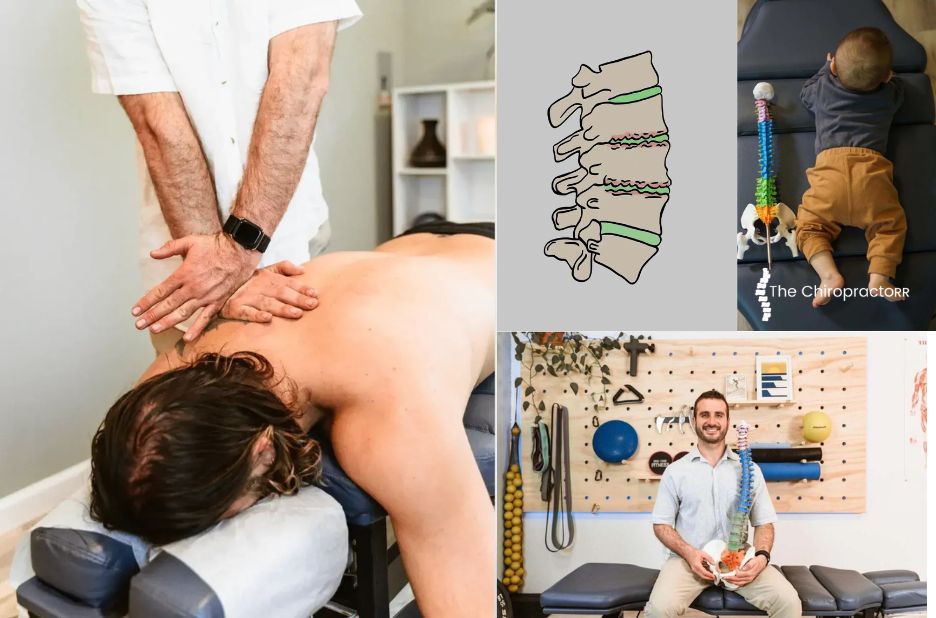
Why quality care matters for joint comfort
When joints feel stiff or painful, many people try to manage symptoms without looking closely at the underlying movement pattern. A skilled approach focuses on restoring how the joint and surrounding tissues actually move, rather than masking discomfort. With the right assessment, a chiropractor can identify Chiropractic adjustment for joint pain areas that may be compensating for restricted motion, irritated mechanics, or uneven load. This is where trust becomes practical: you want a provider who explains what they’re seeing and why a specific plan is appropriate for your body.
Quality also shows up in how treatment is delivered, not just what is delivered. A thorough intake typically covers your medical history, activity habits, symptom behavior, and any previous therapies you’ve tried. From there, the provider can tailor care to your comfort level and functional goals, including daily movement, work demands, or sport participation. When the plan is personalized, patients often experience more consistent results because the care is built around real-life movement needs.
What to expect from a careful adjustment session
A chiropractic visit aimed at joint comfort usually begins with a detailed evaluation of mobility, posture, and joint mechanics. Clinicians may check range of motion, observe how you move through everyday positions, and assess whether restrictions are localized or part of a broader compensation. The goal is One on one assisted stretching for flexibility to locate the drivers of pain and reduced movement, such as misalignment, joint stiffness, or tissue irritation that can limit motion. Clear communication matters here: you should understand what is being targeted and what sensations are normal during the process.
During an adjustment, the focus is on precise, controlled techniques designed to support better joint function. Many patients describe it as a targeted release of pressure or a shift that makes motion feel smoother afterward. Care also includes attention to comfort and safety, including positioning that respects your limitations and avoids forcing movement beyond your tolerance. This is not a one-size method; good care adapts to the joint involved, your flexibility, and your response from session to session.
One on one guided stretching for flexibility and control
Restoring joint motion often requires more than just manual techniques. A well-designed plan may include guided stretching that helps tissues tolerate movement and regain functional range. can be particularly helpful when pain and stiffness limit how far you can comfortably move. By guiding the position slowly and adjusting the stretch intensity, a clinician can support gradual mobility improvements without triggering flare-ups.
Stretching can also improve neuromuscular control, which is how your body learns to coordinate movement safely again. For example, someone with knee or hip discomfort may benefit from stretching that addresses tight structures while reinforcing stable mechanics. The same principle can apply to the spine, shoulders, elbows, wrists, or ankles depending on where the restrictions are occurring. When stretching is paired with a quality adjustment plan, the result is often a better balance of comfort, mobility, and stability.
Building long-term confidence in your movement plan
Trust grows when a provider treats you like a partner, not a visitor who simply needs a quick fix. At The ChiropractOrr, the emphasis is on restoring mobility and improving joint function through an individualized approach that considers alignment, stiffness, and inflammation factors. That means evaluating how your joints move under everyday demands and adjusting the plan as your tolerance and progress evolve. Patients generally feel more confident when they can see a connection between the treatment, their movement goals, and the changes they notice over time.
Long-term joint health depends on more than one session, because joints respond to patterns of use, posture, and recovery. A quality care plan may combine adjustments with mobility work, guidance on functional movement, and consistency in how you return to activity. Many people find that focusing on movement quality supports active living, whether the goal is walking longer distances, lifting with better mechanics, or enjoying sports with fewer limitations. If you want chiropractic care grounded in quality and clarity, The ChiropractOrr is committed to supporting your journey toward more comfortable, capable movement.
Conclusion
Visit The ChiropractOrr for more details.