
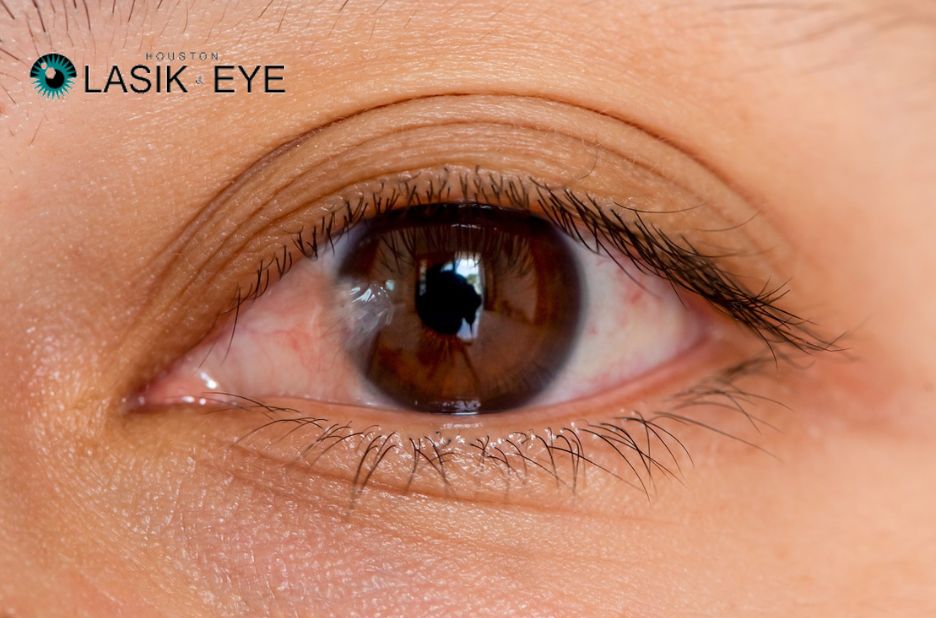
Understanding Pterygium and Its Treatment
Pterygium is a benign growth of the conjunctiva that can extend onto the cornea, potentially causing discomfort, redness, and vision impairment. This condition, often linked to prolonged exposure to ultraviolet light, wind, and dust, may require Pterygium Surgery Recovery surgical intervention when it interferes with vision or causes significant irritation. Eye surgery pterygium removal is a common procedure aimed at excising the growth to restore comfort and protect eye health.
What to Expect Immediately After Surgery
Following pterygium surgery, patients typically experience mild discomfort, redness, and sensitivity to light. These symptoms are part of the normal healing process. It is important to follow Eye Surgery Pterygium Removal postoperative instructions carefully to minimize complications. Protective eyewear and prescribed eye drops help reduce inflammation and prevent infection during the initial recovery phase.
Managing Discomfort and Preventing Infection
During the early days of recovery, managing discomfort is crucial. Over-the-counter pain relievers may be recommended, along with cold compresses to reduce swelling. Antibiotic and anti-inflammatory eye drops are usually prescribed to prevent infection and control inflammation. Patients should avoid rubbing their eyes and follow hygiene guidelines to promote healing and avoid complications.
Activity Restrictions During Recovery
Resuming normal activities gradually is essential for successful pterygium surgery recovery. Patients should avoid strenuous exercise, swimming, and exposure to dust or smoke for several weeks. Wearing sunglasses outdoors protects the eyes from UV rays and reduces irritation. Adhering to these restrictions helps ensure optimal healing and reduces the risk of recurrence.
Follow-Up Care and Monitoring
Regular follow-up appointments with the eye surgeon are necessary to monitor the healing process. During these visits, the healthcare provider will assess the surgical site for signs of infection, inflammation, or recurrence of the pterygium. Timely intervention can address any complications, ensuring a smooth recovery and the best possible outcome from the surgery.
Long-Term Eye Health After Surgery
Maintaining eye health after pterygium surgery involves protecting the eyes from environmental factors that contribute to growth formation. Consistent use of UV-blocking sunglasses, avoiding smoke and dust, and keeping the eyes lubricated with artificial tears can help maintain comfort and reduce the likelihood of recurrence. Patients should remain vigilant and consult their eye care professional if any new symptoms arise.
Common Concerns and FAQs
Patients often wonder how long the recovery will take and when they can return to normal vision activities. Pterygium surgery recovery typically spans several weeks, with most patients noticing significant improvement within a month. Some may experience mild irritation or dryness for a longer period. It is normal to have questions regarding medication use, activity limitations, and signs of complications, all of which should be discussed with the healthcare provider for personalized guidance.
Conclusion
Pterygium surgery recovery is a critical phase that requires careful attention and adherence to medical advice to ensure successful healing and long-term eye health. For those undergoing eye surgery pterygium removal, understanding the recovery process and following recommended precautions can greatly enhance outcomes. For comprehensive information and support, pterygiumhouston.com is an excellent resource. To explore more about this procedure and expert care, visit ouston Lasik & Eye for trusted guidance and services.